
Is Jollibee Cheaper Than Other Fast Food Chains in the Philippines?
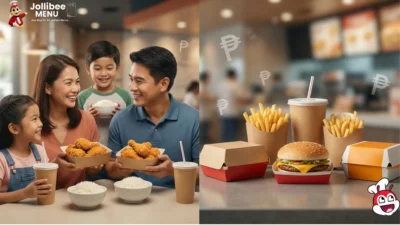
Last Saturday, I stood at the counter of a Jollibee branch in Metro Manila with my family of four. Two Chickenjoy meals, one Jolly Spaghetti, and a Yumburger with fries. The total came to ₱685.
My wife looked at me and asked, “We could’ve gone somewhere cheaper, right?”
How Combo Meals and Family Buckets Change the Price Comparison
This is where fast food pricing becomes deceptive. Combo meals are designed to look like a deal, but they do not always save you money.
Many customers assume that bundled meals automatically offer better value. In reality, some combos are priced higher than ordering items separately.
This pricing strategy is common across fast food chains in the Philippines, and understanding it can save you money over time.
Family Buckets: Value Depends on Group Size
Family-sized buckets are often marketed as the best deal. For larger groups, they can reduce the per-person cost significantly.
However, the value only holds if you are actually feeding the number of people the bundle is designed for.
When family buckets are split among fewer people, the cost-per-person often exceeds that of individual meals.
This is why family bundles work best for gatherings, but make little sense for couples or solo diners.
Combo Pricing vs Ordering Separately
During my comparisons, I found multiple instances where ordering items individually was cheaper than choosing a combo.
Drinks are usually the biggest markup. Many combos force you to include a drink, even when water would be enough.
This is a subtle pricing trick. The perceived convenience hides a higher total cost.
By ordering main items separately and skipping unnecessary add-ons, customers can often save money without reducing food intake.
Which Food Categories Deliver the Best Value?
Not all food categories offer the same value. Some items consistently perform better when comparing cost to portion size.
Chicken-based meals tend to provide the strongest balance between price, protein, and satisfaction.
Rice-based dishes also perform well, especially for diners who want sustained fullness.
Burgers and snack items often appear cheap, but deliver lower value per peso spent.
If you want to compare value across different food categories, including chicken, burgers, breakfast items, and family options, you can review a complete category-wise breakdown on the full menu overview page .
Why Understanding Categories Matters More Than Brand Loyalty
Many diners stay loyal to one fast food brand without realizing that value fluctuates by category.
A chain that offers excellent value for chicken may perform poorly for burgers or snacks.
Switching choices based on category, rather than brand, often leads to better spending decisions.
This approach also prevents overpaying for items that are convenient but inefficient from a value perspective.
Once you understand which categories deliver the best returns, the next step is knowing when and where pricing changes, especially for breakfast, delivery, and regional locations.
That simple question sent me into weeks of research across fast food chains in the Philippines. I visited multiple outlets, compared portion sizes, tracked pricing patterns, and spoke with students, families, and solo diners.
What I found surprised me. Jollibee is not always the cheapest option — but in many cases, it delivers better value than meals that look cheaper on paper.
For readers who want to see the most up-to-date prices before diving into comparisons, you can check the full price list here .
What This Price Comparison Really Reveals
This is not a basic price list comparison. Sticker prices alone don’t tell the full story.
Real value depends on portion size, how long a meal keeps you full, convenience, and how often you end up spending more money shortly after eating.
Across different fast food chains, I noticed a consistent pattern: meals that look cheaper upfront often lead to extra spending later.
Some meals cost less but leave you hungry within two hours. Others cost slightly more but provide better protein and satisfaction.
This is why comparing fast food purely on price often leads to misleading conclusions.
How Much Does a Typical Meal Cost at Jollibee?
One of the most commonly ordered meals is the Chickenjoy with rice and a drink. Across most Metro Manila locations, this meal sits around the mid-range pricing tier.
On paper, similar meals at other chains may appear cheaper. But portion size and food quality vary more than most people realize.
During my visits, I found noticeable differences in portion size between branches, even when prices remained identical.
This inconsistency exists across all major chains, not just Jollibee. But it plays a major role when you are comparing value instead of just price.
Which Fast Food Chains Actually Offer the Lowest Prices?
After visiting dozens of outlets across major Philippine cities, one thing became clear: there is no single “cheapest” fast food chain in all situations.
Different brands win on price depending on what you order and how you eat.
To make sense of this, I grouped major fast food chains into value tiers based on the cost of a filling meal that includes protein, rice, and a drink.
Budget Tier: Maximum Calories for the Lowest Cost
Mang Inasal consistently sits at the bottom of the price scale. A basic chicken meal with rice costs noticeably less than similar offerings elsewhere, and the unlimited rice policy dramatically increases perceived value.
For students, laborers, and anyone prioritizing sheer fullness over variety, this category offers unbeatable calorie-per-peso value.
Chowking often competes closely in this tier. Their meals are affordable and predictable, though portion sizes are usually smaller and satisfaction varies depending on what you order.
Mid-Range Tier: Balanced Price and Quality
This is where Jollibee usually falls. Meals in this tier cost slightly more than budget options but deliver better consistency, protein quality, and overall satisfaction.
McDonald’s frequently overlaps with this category. Some items are cheaper, others more expensive, depending on current promotions.
The key difference is not the listed price, but how full you feel afterward. Many diners find that mid-range meals reduce the need for additional snacks later in the day.
Premium Fast Food Tier: Paying for Brand and Extras
Chains like KFC, Burger King, and Army Navy generally sit in the higher price range.
Meals here often include extras like side dishes or larger drinks, but the cost-per-portion tends to be higher.
For diners focused purely on value, this tier rarely makes financial sense. For those seeking specific flavors or dining experiences, the premium may be justified.
Why “Cheaper” Meals Often End Up Costing More
The biggest mistake people make when comparing fast food prices is ignoring what happens after the meal.
A cheaper meal that leaves you hungry within two hours often leads to extra spending: snacks, drinks, or a second meal.
Over time, these small add-ons can cost more than simply choosing a slightly higher-priced but more satisfying meal in the first place.
During my research, I noticed a clear pattern. People who chose the lowest-priced option often spent more by the end of the day.
Those who selected meals with better protein balance and portion consistency tended to eat fewer additional items later.
Price Versus Portion: The Overlooked Comparison
Two meals can cost nearly the same but deliver very different amounts of food.
Portion size varies not only between brands, but sometimes between branches of the same chain.
This means that judging value by price alone is unreliable. A slightly higher-priced meal with a larger portion can actually offer better value.
This is one reason why mid-range chains often feel more “worth it” even when they are not the cheapest on the menu board.
Understanding this difference is critical before comparing specific items or combinations, which is where pricing strategies become even more complex.
Does Breakfast Offer Better Value Than Lunch or Dinner?
Breakfast pricing follows a different logic from regular meals. Most chains price breakfast slightly lower, but portion size and protein content vary widely.
Meals that rely heavily on rice and eggs often look affordable, yet their ability to keep you full depends on portion balance.
In many cases, paying a little more for protein-rich breakfast options reduces the need for mid-morning snacks.
This makes breakfast one of the most misleading categories when comparing fast food purely by price.
Why Breakfast Value Is Often Underestimated
Cheaper breakfasts usually rely on carbohydrates. They satisfy hunger quickly but wear off faster.
Meals with better protein balance may cost more upfront but deliver longer-lasting energy.
For people with long workdays, this difference can affect total daily food spending.
The Real Cost Difference When Ordering Through Delivery Apps
Delivery apps change the entire pricing equation.
A meal that appears affordable in-store can become significantly more expensive once delivery fees, service charges, and price markups are added.
During my comparisons, the same meal often increased in cost by more than half when ordered through delivery platforms.
This markup is not unique to one brand. However, stronger brands tend to apply higher markups because customers continue ordering regardless.
For budget-conscious diners, dine-in or takeaway remains the most cost-effective option.
Delivery should be treated as a convenience purchase, not a value purchase.
Minimum Order Traps and Forced Add-ons
Minimum order requirements often force customers to buy extra items they did not intend to order.
What starts as a small purchase can quickly turn into a much larger bill.
This is one of the most common reasons why people feel fast food is becoming expensive, even when base prices remain stable.
How Prices Change Across Different Regions in the Philippines
Pricing is not uniform across all locations.
Urban centers generally maintain consistent pricing, while tourist destinations and remote areas often charge more.
Transportation costs, supply logistics, and local demand all influence these variations.
In some tourist-heavy locations, the same meal can cost noticeably more than in major cities.
For frequent travelers, these differences add up quickly over time.
Mall Locations vs Street Branches
Many people assume mall locations charge more. In practice, this is not always true.
Some chains maintain identical pricing across mall and street branches.
However, indirect costs like parking fees and longer wait times can make mall visits more expensive overall.
Understanding these hidden factors is essential before deciding which option truly saves money.
Once breakfast, delivery, and regional pricing are factored in, the final question becomes clear: when does choosing this brand actually make sense?
When Choosing Jollibee Actually Makes Financial Sense
After comparing prices, portions, delivery markups, and regional differences, clear patterns emerge.
There are specific situations where choosing Jollibee offers better overall value, even when the sticker price is not the lowest.
Feeding a Group or Family on Short Notice
When feeding multiple people, family-sized options reduce decision time and effort.
For groups, the per-person cost often becomes reasonable, especially when compared with cooking at home once time, ingredients, and preparation are considered.
Quick Meals During Long Workdays
Meals with better protein balance tend to keep people full longer.
In these cases, paying slightly more upfront can prevent additional spending later in the day.
Late-Night or Limited-Option Situations
Availability matters.
When alternatives are closed or far away, choosing a nearby branch often saves money on transportation and reduces waiting time.
Consistency Over Experimentation
Value is not just about price.
Reliable portion size and predictable quality reduce the risk of wasting money on disappointing meals.
For many diners, this consistency outweighs minor price differences.
How to Make Smarter Fast Food Spending Decisions
Instead of sticking to one brand out of habit, adjust your choices based on situation and need.
- Choose budget-focused options when you need maximum calories.
- Select balanced meals when you want longer-lasting fullness.
- Avoid delivery unless convenience is worth the premium.
- Skip unnecessary add-ons that increase cost without improving value.
This flexible approach often leads to lower monthly food spending without sacrificing satisfaction.
For accurate and current pricing before making comparisons, it helps to review the latest pricing updates directly.
Frequently Asked Questions About Fast Food Pricing
Is Jollibee the cheapest fast food chain in the Philippines?
No. Some chains offer lower-priced meals. However, lower price does not always mean better value once portion size, quality, and convenience are considered.
Why do delivery orders feel much more expensive?
Delivery platforms add service fees, delivery charges, and often higher item prices. These extra costs can increase total spending significantly.
Do combo meals always save money?
Not always. Some bundles cost more than ordering items separately, especially when drinks or add-ons are forced into the combo.
Does location affect pricing?
Yes. Tourist areas and remote locations often charge more due to logistics and demand, while major cities usually maintain standard pricing.
The Bottom Line: Price Alone Doesn’t Define Value
Asking whether one chain is cheaper than another oversimplifies how fast food spending works.
True value depends on portion size, how long a meal keeps you full, convenience, and whether additional spending is required later.
Sometimes the cheapest option ends up costing more. Other times, paying slightly extra delivers better satisfaction and reduces total daily spending.
The smartest strategy is not loyalty to a brand, but awareness of what you are buying and why.
Choose based on context. Spend intentionally. And let value—not just price—guide your decision.